


In the kitchen, a fruit fly infestation can be a truly annoying experience. Here’s how to get rid of fruit flies, including how to make your own fruit fly trap!
Where Do Fruit Flies Come From?
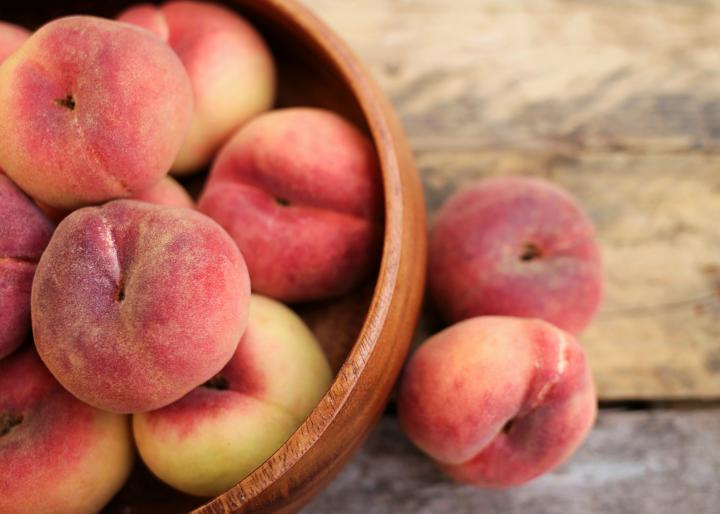
Reach for a peach, and what happens? A squadron of fruit flies takes to the air above the fruit bowl! But where the heck did they come from?
They probably didn’t come from your grocery store produce. They tend to wander into your home from the outside when they catch the scent of fruit that’s ripening, especially if it was starting to get a bit overripe. (In fact, fruit flies actually prefer wine and beer to fruit because they like food that has fermented.)
What Are Fruit Flies?
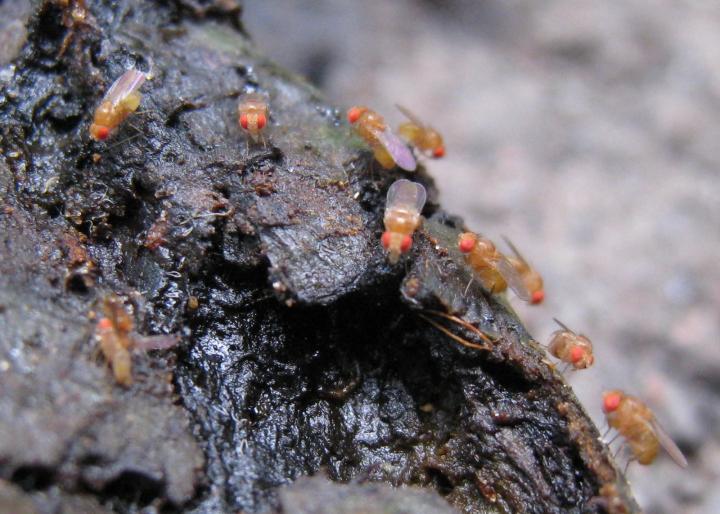
The tiny, yellowish, red-eyed insects are part of a large family of small flies that has about 3,000 species. Unlike houseflies, which may spread disease, fruit flies are harmless. They can live and breed in drains and garbage cans, and on damp mops and rags. Spilled juice under the refrigerator or a rotten potato at the bottom of a bin can be a happy home for the fruit fly’s larvae.
Fruit flies lay their eggs near the surface of your ripe fruit—and they can lay up to 500 eggs at a time! About 30 hours later, tiny larvae emerge and feed on the fruit, eventually turning into pupae. A week later, they are ready to take to the air.
Luckily for us, the entire life span of a fruit fly is only about two weeks. However, researchers have discovered that drinking a fermented beverage will enable a fruit fly to live a day or two longer—and a day or two is quite a bit when your life is only two weeks total!
How to Get Rid of Fruit Flies
Eliminate Fruit Fly Breeding Grounds
The key to preventing fruit flies is to not attract them in the first place, so keeping your kitchen and dining area clean and free of potential fruit fly breeding grounds will go a long way in stopping an infestation before it begins. Some tips:
- Refrigerate or throw away ripened or damaged fruit instead of leaving it out where the fruit flies can access it. Check it regularly for blemishes or rot, too.
- Make sure you take out the garbage regularly, and consider putting a secure-fitting lid on your trash can.
- Completely clean up any spilled fruit juice, beer, or wine, and don’t leave half-empty drinks out.
- Be sure to clean your drains regularly, as flies can live there if grime builds up. Use these tips for clearing drains.
Build Fruit Fly Traps
You can buy fruit fly traps or make your own, and either way, they should be effective. One of the most common traps is the cider vinegar trap:
- Fill several glasses or jars with apple cider vinegar (or old beer) to about ½ full. The flies will be attracted to the smell of the fermented liquids.
- Add a drop of liquid dish soap to each glass and mix gently with a spoon. This breaks the surface tension of the liquid, making it so the flies can’t just float on the surface.
- Put plastic wrap on top of each glass so that it is tight, and hold the plastic wrap in place with a rubber band.
- Punch about ten holes in the plastic wrap with a toothpick, and put the glasses in an area frequented by fruit flies. Make sure the holes are wide enough for the flies to crawl through. They’ll be enticed by the smell, crawl in, and drown in the mixture.
- Tip: No plastic wrap or aluminum foil? Take several pieces of paper and roll them into funnels (taping the sides of each funnel so they don’t unravel), then place a funnel into each glass. Flies will be able to get in, but not out.
Learn More
See more tips on managing other insects and pests.
Have you ever gotten fruit flies? Share your solutions in the comments below!